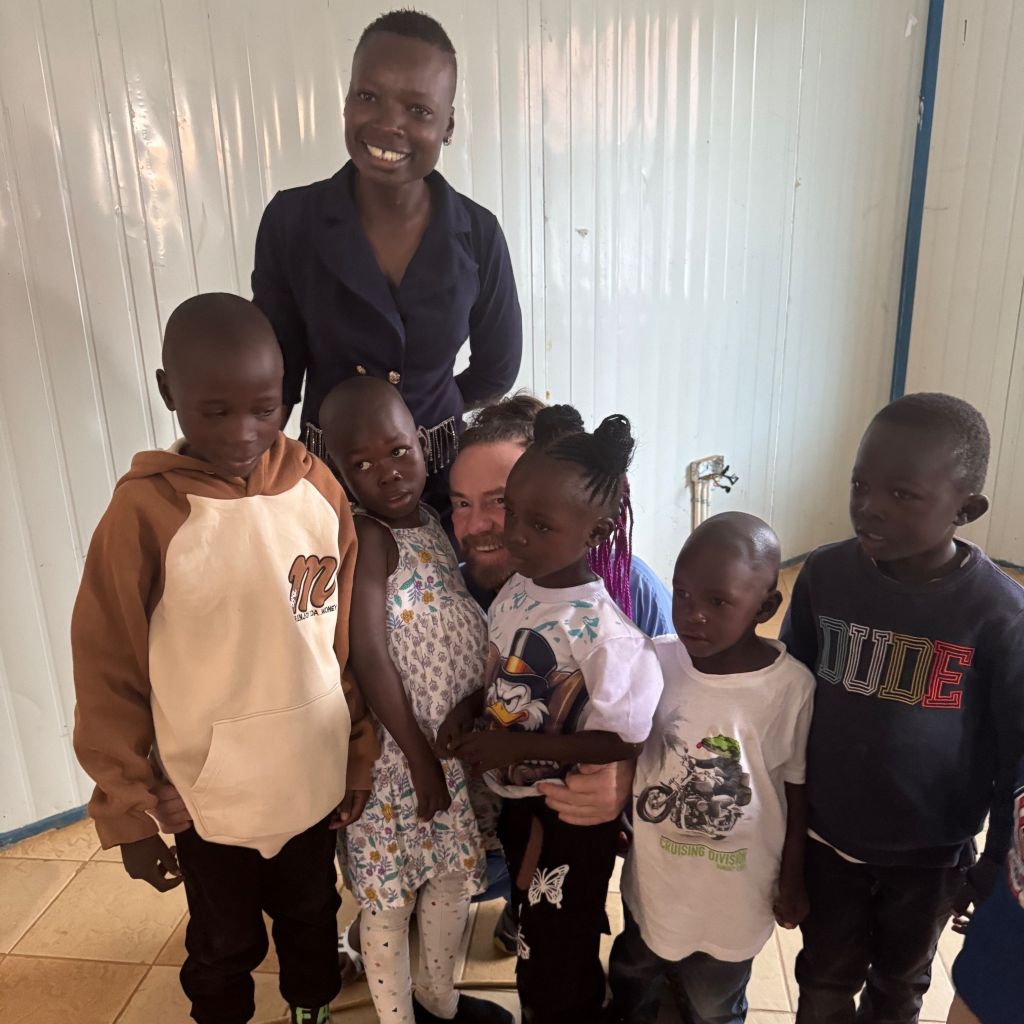
For too many families across Africa, sickle cell disease is discovered only after tragedy strikes.
Children fall ill again and again—severe pain, anemia, infections, hospitalizations—yet the underlying cause remains invisible. By the time a diagnosis is made, organ damage may already be advanced, and in many cases, it is simply too late.
This is why sickle cell disease has become one of the continent’s most overlooked childhood killers.
But it doesn’t have to be.
A Crisis Hidden in Plain Sight
Sickle cell disease is among the most common inherited blood disorders in Africa, yet in many high-burden communities, most children are never tested. Symptoms are often mistaken for malaria, pneumonia, or malnutrition. Clinics lack definitive diagnostics. Families are left without answers.
In western Kenya alone, studies estimate that up to 70–80% of children born with sickle cell disease die before their third birthday—often without ever receiving a diagnosis. Symptoms are frequently mistaken for malaria, pneumonia, or malnutrition. Clinics lack definitive testing. Families are left without answers.
What makes this crisis even more dangerous is that common infections-especially malaria-can trigger life-threatening sickling crises. Children may survive one episode, only to be pushed into the next by an untreated infection.
Without early diagnosis and coordinated care, preventable deaths continue quietly, year after year.
Bringing Definitive Diagnosis to the Community
To change this reality, we established the only definitive sickle cell testing platform in the region, bringing accurate, laboratory-based diagnosis to communities that had never had access before.
We do not wait for children to arrive in crisis:
Any caregiver who asks can have their child tested
Every confirmed case receives proper documentation and follow-up
Testing is paired with education so families understand what the diagnosis means-and what it does not
For families who have spent years searching for answers, a definitive diagnosis is more than a result. It is clarity, dignity, and the first step toward survival.
Integrating Care Where Children Live
Diagnosis alone is not enough.
We help operate the local sickle cell disease clinic, ensuring children receive ongoing medical management, pain control, infection prevention, and nutritional support. We work alongside clinicians to strengthen care in settings where specialist resources are limited.
At the community level, we partner with local sickle cell support groups, empowering families through education, peer networks, and advocacy. Parents who once felt isolated now help other families recognize symptoms early and seek care before emergencies occur.
Preventing Crises Before They Begin
Because malaria and other infections can trigger sickling crises, every child in our program is also routinely tested for malaria and monitored for infectious disease.
This integrated approach allows us to:
Detect infections early
Treat them before they provoke life-threatening complications
Reduce hospitalizations and prevent avoidable deaths
By addressing sickle cell disease within the broader landscape of child health, we are confronting the real-world conditions that place these children at constant risk.
Using Genomics to Transform Care and Discover New Treatments
Our work goes beyond diagnosis and clinical management.
Using advanced genomic technologies, we are studying the genetic diversity of sickle cell disease in affected communities to understand:
Why some children experience more severe disease than others
Which genetic modifiers influence complications and treatment response
How local populations differ biologically from those represented in most global research
These discoveries are guiding the development and evaluation of new therapeutic strategies-from identifying molecular pathways that can be targeted for treatment, to shaping future drug trials and precision-medicine approaches designed specifically for African children.
By linking community-based care with cutting-edge genomics, we are not only improving today’s outcomes-we are actively building the next generation of sickle cell therapies.
From Silent Killer to Survivable Condition
Sickle cell disease no longer has to be a silent killer.
By combining definitive diagnosis, community-centered care, infection prevention, and genomic discovery, we are transforming what it means to be born with sickle cell disease in high-burden regions.
Children who were once among the 70–80% who never reached their third birthday now have something profoundly powerful:
a chance to grow, learn, and thrive.
And as we continue to expand testing, strengthen clinics, and advance new treatments through research, we are not just responding to today’s crisis—we are creating a future where no child dies simply because their disease went undiagnosed or untreated.